CarpetDeals.ca

Carpet Remnants Ontario for Smart Room Updates

A full room makeover does not always require a full roll of carpet. Carpet remnants Ontario homeowners can buy for less are often the smartest answer for bedrooms, stairs, basements, home offices, and rental refreshes. You get the comfort and finished look you want, without paying for material you will never use.

The catch is simple: a remnant is a limited cut. Once it is gone, it is gone. That is why the best deal is not just the lowest price per square foot. It is the right size, the right construction, and a professional installation plan that makes the most of every inch.

What Are Carpet Remnants?

Carpet remnants are leftover pieces from larger carpet rolls, discontinued styles, end-of-roll inventory, or cuts remaining after bigger installations. They are real flooring products, not lower-quality carpet. The value comes from the limited size and availability, which lets retailers price them aggressively.

A remnant can be a compact piece for a small bedroom or a larger section that works for several connected spaces. Sizes vary widely, so it pays to start with your room measurements instead of falling in love with a color first.

For a homeowner who needs one room completed quickly, a remnant can deliver a better grade of carpet than the same budget might buy from a standard in-stock roll. That is where the savings become meaningful. You may be able to move from a basic option to a softer, denser, more durable carpet while staying on budget.

Where Carpet Remnants Make the Most Sense

Remnants are especially practical in spaces with straightforward layouts. Bedrooms, offices, nurseries, walk-in closets, finished basements, and small family rooms are strong candidates. If you are replacing worn carpet before listing a home, a well-chosen remnant can also create a clean, updated impression without overspending.

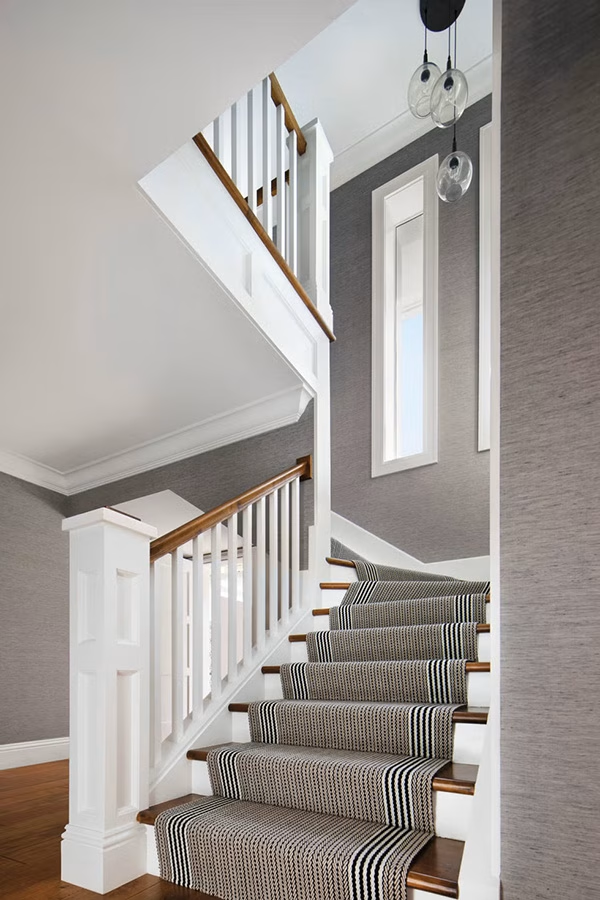
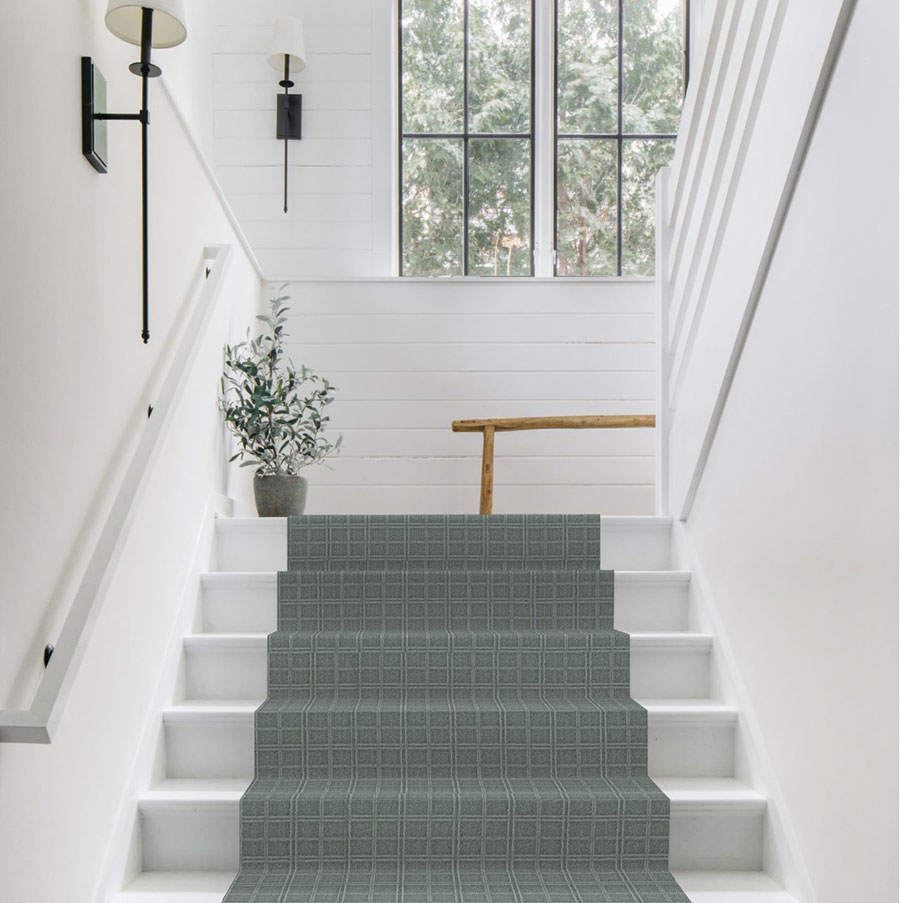
Stairs can be another good fit, depending on the remnant dimensions and carpet style. Patterned carpet, for example, needs more planning because the installer must align the design properly from step to step. A solid or subtle texture usually gives you more flexibility and less waste.

The best use is often a single contained space. Trying to match a remnant to existing carpet in an adjacent room can be difficult, especially if the original carpet has faded, been discontinued, or has a different pile direction. If a perfect match matters, look at the rooms together before making a decision.

Large open-concept areas and rooms with many angles can still work, but the math matters more. Seams may be necessary, and some layouts create enough waste that a remnant no longer offers the best value. An experienced flooring professional can tell you that before you commit.

How to Measure for Carpet Remnants in Ontario

Start by measuring the longest length and widest width of the room. Include closets, alcoves, doorway transitions, and any area you want carpeted. Do not assume the room is perfectly square. Many rooms are slightly out of square, and that small difference can affect whether a remnant fits.

Then account for installation needs. Carpet has a pile direction, and it needs to be oriented consistently for the finished floor to look right. Installers also need extra material for trimming, wall edges, and pattern matching when applicable. The dimensions on a remnant label are not always the exact dimensions of carpet you can expect to see on the finished floor.

This is where a free in-home estimate saves time and prevents expensive mistakes. Rather than guessing from a floor plan or measuring around furniture, you can have the room assessed properly and compare samples in the actual lighting of your home. A shade that looks warm under showroom lights may look completely different beside your walls, windows, and furniture.

Do not buy based on square footage alone

A 10-by-12 room is 120 square feet, but that does not mean every 120-square-foot remnant will fit it. Carpet is sold and installed by dimensions, not just total area. A 12-by-10 cut may work, while a 15-by-8 cut has the same square footage but may not cover the room at all.

Ask for the remnant’s exact width and length, then compare those dimensions to the room layout. This one step separates a genuine bargain from a frustrating return trip.

What to Check Before You Choose a Remnant

Price should get your attention, but performance should make the final decision. Think about who uses the room, how much foot traffic it receives, and what you expect from the carpet over the next several years.

For bedrooms, softness and color may be the biggest priorities. For a basement playroom, stain resistance and easy cleanup may matter more. For stairs or a busy hallway, look for a denser construction that can handle repeated traffic without flattening quickly.

Check the carpet face weight, fiber type, texture, and backing, but do not get stuck comparing specifications in isolation. A number on a label does not tell the whole story. The way the carpet feels, how tightly the fibers are packed, and the warranty available for that product all matter.

Also inspect the condition of the cut. A quality remnant should be clean, dry, and stored properly. Confirm whether it is a new end-of-roll piece, a discontinued color, or a special clearance item. There is nothing wrong with any of those categories, but knowing why it is priced lower helps you buy with confidence.

Installation Can Make or Break the Deal

The lowest remnant price is not a bargain if installation is rushed or incomplete. Proper preparation matters. The old carpet and padding may need to be removed, the subfloor may need attention, and transitions at doorways should be planned before the new carpet arrives.

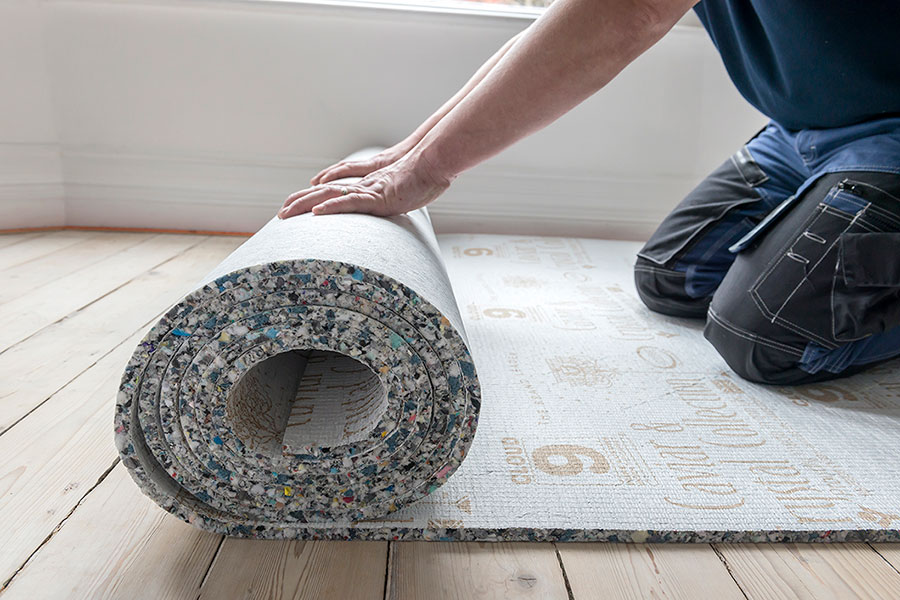
Padding deserves attention, too. It affects how the carpet feels underfoot and how well it wears over time. Reusing old padding can seem like an easy way to save, but it may reduce the comfort and lifespan of a new carpet. If the existing pad is worn, compressed, or damaged, replacing it is usually the better decision.

Professional installation also matters when a room requires seams. A good seam is planned around the room layout, placed away from high-visibility areas where possible, and finished carefully. It will not disappear completely, but it should not distract from the room either.

At CarpetDeals.ca, the goal is to make this easier: see suitable samples at home, get a clear estimate, and have your flooring installed quickly by professionals. That approach is especially helpful with remnants because inventory moves fast and timing matters.

When a Remnant Is Not the Right Choice

A remnant is not automatically the best option just because it is discounted. If you need several rooms in the same color, want a very specific style, or need a large continuous area with no seams, ordering from a full roll may give you better results.

The same is true if you expect to make a future addition. Buying a remnant today means there may be no matching material available when you decide to carpet the next bedroom next year. If a consistent look throughout the house is your priority, choose a product with ongoing availability.

But for a focused project with a clear budget, a remnant can be hard to beat. The best deals often go quickly because they solve a real problem: homeowners want attractive flooring now, not after weeks of waiting and showroom shopping.

Get More Value From Your Flooring Budget

The smartest carpet purchase is one that fits your room, your household, and your timeline. Bring room dimensions to the conversation, be flexible on exact color when the savings are substantial, and let the condition of the room guide your product choice.

A carpet remnant can turn a small update into a polished finished space at a price that leaves room in the budget for the rest of the project. When the fit is right, there is no reason to pay for more carpet than your home needs.

How to Buy Carpet Without a Showroom Visit

A carpet showroom can make a simple project feel like a weekend commitment. You drive over, browse under harsh store lighting, try to remember your wall color and sofa fabric, then leave with a few tiny samples that may look completely different at home. Knowing how to buy carpet without showroom visits gives you a faster, more accurate way to choose flooring – especially when the room, the budget, and the installation date all matter.

The better approach is to bring the decision into the room where the carpet will actually live. You can compare real samples in your own daylight, see how they work with your furniture, get measured properly, and receive a clear installed price before moving forward. No guessing. No running back to the store because the beige you liked looked gray in your bedroom.

How to Buy Carpet Without a Showroom: Start at Home

Buying carpet without a showroom does not mean buying blind online. A quality shop-at-home service sends a flooring professional to your home with samples, measures the space, answers questions, and helps narrow the options based on how you use the room.

Before the appointment, take a quick look at the space. Consider who uses it, how much traffic it gets, and what you need the carpet to handle. A quiet guest room has different needs than a busy family room, a basement hangout, or a staircase used every day.

Have a rough budget in mind, but do not lock yourself into a price per square foot before the room is measured. The final cost depends on the carpet, cushion, room layout, seam placement, removal of old flooring, stairs, and installation details. A good estimate explains these costs clearly instead of making a low product price do all the talking.

See Samples Where They Matter Most

The biggest advantage of skipping the showroom is simple: you see the product in the right setting. Store lights are designed to brighten large retail spaces. Your home has window light, lamps, shadows, paint colors, and furnishings that affect how every carpet color appears.

Ask to see a few choices side by side rather than looking at dozens of swatches. Too many options slow down the decision. A flooring consultant can help you compare a practical neutral, a warmer option, and a slightly deeper tone that may hide everyday wear better.

Move the samples around the room. Place them near the window, under a lamp, beside the baseboards, and close to major furniture pieces. Check them in the morning and late afternoon if possible. This is especially useful for light grays, beiges, taupes, and off-whites, which can shift dramatically depending on the light.

Texture deserves the same attention as color. A soft, plush style can feel great in bedrooms but may show footprints and vacuum marks more easily. A tighter, low-profile carpet can be a smarter pick for hallways, stairs, and active family spaces. Patterned or flecked styles can also help disguise minor soil and traffic marks without making the room feel busy.

Match the Carpet to Real Life, Not a Display Rack

There is no single best carpet for every home. The right choice depends on your household, your room, and your expectations for maintenance.

For bedrooms, comfort often leads the decision. Many homeowners choose a softer carpet because the traffic is lower and the room benefits from a warm, relaxed feel. For living rooms and hallways, durability and stain resistance usually matter more. On stairs, look closely at texture and density, since the carpet needs to hold up under concentrated foot traffic and look clean from multiple angles.

If you have children, pets, or a high-traffic household, ask direct questions about stain protection, fiber type, density, and warranty coverage. Do not assume the thickest-looking sample is automatically the toughest. Carpet performance comes from a combination of fiber, construction, twist, density, and the right underpad.

The cushion underneath matters more than many buyers realize. A good cushion improves comfort, supports the carpet, and can help it wear more evenly. Going too thin or too soft simply to lower the price may cost more later if the carpet loses its support. Your installer should recommend a pad that fits the carpet style and the room’s use, not a one-size-fits-all upgrade.

Get a Measurement You Can Trust

Online room calculators are useful for a rough starting point, but they cannot account for closets, doorways, alcoves, stairs, pattern direction, or how carpet must be cut to minimize seams and waste. This is where an in-home measure protects both your budget and your result.

A professional should measure every area, explain where seams may be needed, and plan the layout before giving you a final quote. Seams are normal in larger rooms, but their location matters. In most cases, they should be placed away from the main sightline and high-traffic paths when possible.

Ask whether the estimate includes the full scope of work. That means the carpet and cushion, installation, basic furniture moving if offered, removal and disposal of old material, stairs, transitions, and any floor preparation that may be required. If something cannot be confirmed until old flooring comes up, you should understand that possibility before installation day.

Compare Installed Prices, Not Just Sale Tags

A low square-foot price can be a real deal, particularly on remnants, end-of-roll carpet, and in-stock styles. But the number that matters is the complete installed price for your room. Compare like for like: similar carpet quality, similar cushion, the same installation scope, and the same warranty terms.

This is also the right time to ask about inventory. A style that looks great but requires a long wait may not work if you are moving, listing your home, finishing a renovation, or replacing damaged flooring. In-stock carpet can make next-day or fast installation possible, depending on the project and scheduling availability.

At CarpetDeals.ca, the shop-at-home model is built around this practical advantage: samples come to the house, the space is measured on site, and product plus installation can be priced together. That removes the disconnect between choosing carpet in a store and discovering the real project cost later.

Price matters, but value is more than the lowest number. Look for an established installer, clear communication, written details, and customer feedback that shows how the company handles real homes and real timelines. A flooring project should feel organized from the first appointment through the final walkthrough.

Prepare for a Smooth Installation Day

Once you choose your carpet, confirm the installation plan in plain language. Know the arrival window, what needs to be moved, whether old carpet will be removed, and how long the work is expected to take. Most standard carpet installations are completed quickly, but room size, furniture, stairs, and subfloor conditions can affect timing.

Clear breakable items, small furniture, electronics, and closet floors before the crew arrives. Keep pets safely out of the work area, and make sure there is a clear path from the entrance to the room. If you are replacing carpet in several rooms, ask whether the crew will work room by room so you can plan around the disruption.

When the work is finished, inspect the carpet with the installer. Look at seams, edges, doorways, transitions, and stairs. New carpet can show temporary shading or pile direction changes after installation, especially in certain textures, but the overall fit and finish should look clean and secure.

A Better Carpet Purchase Starts With the Right Questions

You do not need a showroom to make a confident carpet decision. You need samples that make sense in your home, a professional measurement, straightforward answers, and an installed price that does not change the moment the paperwork arrives.

Bring the options into your own space, ask what each choice will do for your daily life, and choose the carpet that fits both your room and your budget. That is how a flooring purchase becomes less of a chore and more of a smart upgrade you can enjoy right away.

Carpet Deals Mississauga Homes Can Count On

A carpet price can look great on paper and still become a frustrating purchase if the sample looks different at home, the installation timeline drags on, or the final quote leaves out key details. The best carpet deals Mississauga homes can get are not just about the lowest square-foot price. They combine a carpet that works for the room, professional installation, and a clear path from selection to finished floor.

For busy homeowners, that usually means skipping the extra trip to a showroom. Seeing carpet samples beside your own walls, furniture, and natural light makes the decision faster and far more reliable. It also makes it easier to compare a true deal with a price that only looks low at first.

What Makes a Carpet Deal Worth It?

A worthwhile carpet deal starts with the right product for the job. A soft, lower-density carpet may be a smart value for a guest room that sees light use. The same carpet may not hold up well in a busy family room, on stairs, or in a hallway with daily traffic. Paying a little more for stronger construction in those areas can save you from replacing it sooner than expected.

Look at the complete project, not only the carpet label. Your quote should make it easy to understand the carpet selection, amount needed, underpad, installation, removal of existing flooring if needed, and any transition work at doorways or stairs. There is no benefit in choosing a bargain material if the final installed price comes as a surprise.

Timing matters, too. A deal loses some of its appeal when a renovation is held up for weeks waiting on product. In-stock carpet can make a major difference when you are preparing for a move, finishing a basement, updating a rental property, or getting ready for guests. Fast installation is a real part of the value.

Carpet Deals for Mississauga Homes Start With the Room

Mississauga homes come in all shapes and sizes, from condo bedrooms to multi-level family homes with high-traffic staircases. One carpet is rarely the best answer for every space. Choosing by room keeps the project practical and helps you put your budget where it delivers the most benefit.

Bedrooms: Put Comfort First

Bedrooms are often the easiest place to find strong value. Foot traffic is lighter, so you can prioritize softness, color, and a comfortable feel underfoot. A plush texture can make the room feel warmer and more finished without requiring the same level of performance needed for stairs.

Neutral shades remain a dependable choice if you may sell in the next few years. Greige, warm beige, soft gray, and taupe work with many furniture styles and are forgiving in everyday spaces. If you want a lighter color, ask to see it in the actual room. Daylight, lamp light, and wall color can change how the same sample appears.

Family Rooms and Basements: Balance Softness With Durability

Living areas need carpet that can handle more activity. Families with kids, pets, or frequent visitors should consider a durable fiber and a construction designed to resist flattening. Texture can be helpful here because it disguises footprints and everyday marks better than a very smooth surface.

Basements need an extra layer of judgment. A comfortable carpet can turn a lower-level room into a place people actually want to use, but the area should be dry and properly prepared before installation. If there has been moisture, address that issue first. No flooring choice can solve an underlying water problem.

Stairs and Hallways: Choose Performance Over the Cheapest Option

Stairs show wear quickly because every step lands in nearly the same place. Hallways have the same challenge. A denser carpet, paired with quality underpad and skilled installation, is usually the better investment in these hard-working areas.

Patterned or textured styles can also be practical choices for stairs. They add visual interest while helping mask daily use. For an open staircase, bring home samples and look at them from both the top and bottom. The carpet will be seen from more angles than it would in a bedroom.

Where the Best Savings Usually Come From

You do not need to sacrifice the look of your home to control the cost of a carpet project. The smartest savings tend to come from matching the purchase to the space and taking advantage of inventory opportunities.

End-of-roll carpet and remnants can offer excellent value for smaller areas such as bedrooms, offices, closets, landings, and compact basement rooms. The trade-off is selection. You may find a premium style at a reduced price, but your choices in color and size will be more limited. Measure carefully before falling in love with a particular roll.

In-stock carpet is another strong option. It can reduce wait time and often includes popular colors and styles that work in a wide range of homes. For a whole-home project, though, it may be worth comparing an in-stock option with a special-order carpet if you need a very specific color, texture, or performance feature.

Entry-level carpet can make sense when the room has light traffic or when you are improving a property on a tight budget. Carpet pricing that starts as low as $0.99 per square foot can be attractive, but ask what construction and fiber type you are getting. A low starting price should help you begin the conversation, not end it.

Why an In-Home Estimate Changes the Decision

Carpet is one of the hardest flooring products to judge under store lighting. A sample that looks creamy in a showroom may look cooler beside your paint color. A gray that seems perfect under bright lights can pick up unexpected undertones in your home.

An in-home appointment solves that problem. You can place samples beside your sofa, compare them with trim and wall colors, and see how they look at different times of day. You can also talk through practical questions that are difficult to answer from a display rack: Which direction should the carpet run? Where will seams be least visible? What underpad makes sense for this room? How should the stairs be finished?

Accurate measuring is just as valuable. Carpet is sold in fixed roll widths, and room layouts affect how much material is required. A professional measure helps reduce waste, identify transitions, and build a quote around the realities of your home rather than a rough online estimate.

Do Not Treat Underpad as an Afterthought

Underpad affects how carpet feels, how well it wears, and how it performs over time. The thickest option is not automatically the best one. What matters is selecting the proper density and support for the carpet and room.

A good underpad can improve comfort in bedrooms and reduce the feeling of a hard subfloor. In high-traffic spaces, it helps support the carpet so it can better maintain its appearance. This is one area where a cheap shortcut can undermine an otherwise good carpet choice.

Ask for the underpad to be included clearly in the quote. Then compare the complete installed value, not one carpet price against another. That is the fair way to judge competing offers.

Installation Is Part of the Deal

Even a great carpet can look disappointing if it is installed poorly. Proper stretching, careful seam placement, secure stair work, and clean transitions all affect the final result. Professional installation is especially important in larger rooms, on stairs, and where carpet meets another flooring type.

Before booking, confirm the installation schedule and ask what you need to do before the crew arrives. Moving small items, clearing closets, and arranging access to the work area can help the day go smoothly. If old flooring needs to come out, confirm whether removal and disposal are included.

CarpetDeals.ca brings the buying process into the home with samples, free in-home estimates, and professional installation. With more than 35 years in business, over 65,000 installations, and more than 1,000 five-star reviews, the focus is simple: help homeowners get the right floor without the showroom runaround.

A Better Way to Compare Carpet Quotes

When comparing quotes, put each offer on the same footing. Check the exact carpet style, the square footage, the underpad, installation, stairs, removal, transitions, and any additional charges. If one quote is much lower, it may be a better deal – or it may not include the same scope of work.

Also consider how confident you feel in the selection. If you have only seen a small sample under artificial lighting, you are taking a bigger chance than if you have compared options in the room where the carpet will live. A free in-home estimate gives you the clarity to choose based on both price and fit.

The right carpet should make your home feel more comfortable the moment it is installed, while still making sense for your budget months and years later. Start with the rooms that need attention most, see real samples in your own light, and choose a deal that includes the service needed to finish the job right.

How to Choose Carpet Padding for Your Home

A carpet can look perfect in the sample, then feel flat, noisy, or worn too soon if the pad underneath is wrong. Knowing how to choose carpet padding helps you protect the carpet you paid for, improve comfort underfoot, and avoid spending extra on features your room does not need.

Choosing underpad is easier when it is part of the full carpet plan. Our carpet flooring guide explains how fibres, styles, padding and installation work together.

Carpet padding is not the exciting part of a flooring project, but it does much of the hard work. It cushions footsteps, helps carpet recover after furniture and traffic, reduces sound, and creates a smoother finished feel. The best choice is rarely the thickest option. It is the pad that matches your carpet, your room, and the way your household lives.

Start With Density, Not Just Thickness

Many homeowners compare padding by thickness because it is easy to see. A thicker pad sounds softer, so it must be better, right? Not always. Density is often the bigger factor in performance.

Density is commonly measured in pounds per cubic foot. A pad with higher density is firmer and better able to support the carpet above it. That support matters in active rooms, on stairs, and under heavy furniture. A low-density, overly thick pad can compress quickly, leaving carpet loose, wrinkled, or prematurely worn.

For most residential carpet installations, a 6- to 8-pound density pad is a smart starting point. A 6-pound pad can work well in bedrooms and lower-traffic spaces. An 8-pound pad is a popular all-around choice for family rooms, hallways, and busy homes with kids or pets. If you are selecting carpet for stairs or a high-use hallway, a denser pad may be worth the upgrade.

Think of it this way: carpet padding should support the carpet, not let it sink. The goal is a comfortable step with enough firmness to keep the carpet performing properly over time.

Match the Padding to the Carpet Style

Not every carpet works with every pad. The carpet construction, pile height, and backing all affect what belongs underneath it.

Plush and textured carpet

Soft plush, frieze, and textured carpet are popular in bedrooms and living spaces because they feel inviting. These styles often pair nicely with a quality rebond pad in the 6- to 8-pound range. Rebond padding is made from bonded foam pieces and is one of the most common residential options because it delivers solid comfort and value.

Do not go too thick with a dense, heavy carpet. A pad that is too plush can allow the carpet backing to flex more than it should. That can affect appearance and long-term wear.

Berber and loop carpet

Looped carpet needs firmer support. Because the fibers are tightly constructed, a soft or overly thick pad can put excess stress on the backing and contribute to stretching or seam issues. A thinner, denser pad is usually the better fit for this type of carpet.

If you are considering a loop style for a basement, hallway, or family room, ask for a pad recommendation based on the specific carpet product, not just the room. Manufacturer requirements can vary.

Carpet for stairs

Stairs take more impact than nearly any other carpeted surface in the home. Every step presses carpet against the edge of a stair tread, so padding needs to be firm without adding bulk. A thinner, high-density pad typically gives stairs a cleaner profile and better support.

Very thick padding on stairs may feel cushioned at first, but it can make the carpet look puffy around stair noses and may reduce stability. This is one area where performance should come before extra softness.

Choose Padding Based on the Room

The same pad does not need to go everywhere. Choosing based on room use is one of the simplest ways to get better value from your flooring budget.

For bedrooms, comfort matters most. A good-quality 6-pound rebond pad is often enough for a soft, comfortable result, especially in adult bedrooms with lighter traffic. If you want a more luxurious feel, moving up in density can be worthwhile, but there is no need to overbuild a quiet room.

For living rooms, family rooms, and hallways, choose a firmer pad that can handle everyday activity. An 8-pound rebond pad is often the sweet spot. It provides noticeable comfort while standing up better to foot traffic, furniture, and regular use.

For basements, moisture should be part of the decision. Even a dry basement can have cooler concrete and occasional humidity changes. A moisture-barrier pad can offer extra protection where appropriate, but it is not a substitute for fixing an active moisture problem. If water is entering the space, deal with that first before installing carpet.

For homes with pets or young children, consider a pad with a spill or odor barrier. These products can help prevent small accidents from soaking directly into the subfloor. They are especially useful in bedrooms, playrooms, and family areas, though they do cost more than standard padding.

Understand the Main Carpet Pad Options

Most homeowners will choose from a few common padding materials. Each has a place, and the right option depends on the job.

Rebond foam is the everyday value leader. It is widely used, comfortable, durable when purchased at the proper density, and available in different thicknesses. For many homes, this is the best balance of price and performance.

Memory foam padding feels noticeably softer and can add a premium feel underfoot. It can be a good choice for bedrooms or comfort-focused spaces, but it should still have enough density for the carpet being installed. Softer does not automatically mean longer-lasting.

Rubber padding is exceptionally durable and supportive. It is often chosen for demanding applications, including stairs and high-traffic areas. It may cost more upfront, but it can make sense when durability is the top priority.

Fiber padding is firm and thin, making it useful for certain loop carpets and commercial-style applications. It does not offer the same cushioned feel as foam, but it can provide excellent support where a low-profile installation is needed.

Do Not Ignore Moisture Barriers and Warranties

A moisture barrier can be a valuable add-on, but it should be chosen for a reason. It is most useful in areas where spills are likely or where the subfloor may be cooler, such as a finished basement. The barrier is designed to slow liquid from reaching the pad and subfloor, making cleanup easier after minor accidents.

There is a trade-off. Some barrier pads can feel slightly firmer or cost more than standard rebond padding. For a low-traffic guest room, it may not be necessary. For a pet-friendly family room, it can be money well spent.

Also check the carpet manufacturer’s padding requirements before making a final selection. Some warranties specify a minimum density, maximum thickness, or approved pad type. Installing the wrong pad can affect warranty coverage, even when the carpet itself is high quality.

Know What You Are Paying For

Padding is a small portion of a total carpet project compared with the carpet itself, but it has a big effect on the finished result. That makes it a poor place to choose solely by the lowest price.

At the same time, you do not need the most expensive pad in every room. A practical approach is to put your budget where it has the greatest impact: higher-density support in high-traffic rooms and on stairs, a comfortable standard pad in bedrooms, and moisture protection only where it makes sense.

When comparing estimates, make sure the padding is clearly listed. Ask about material, thickness, density, and whether a moisture barrier is included. “Premium pad” is not enough information to compare one quote with another.

Get the Right Feel in Your Actual Home

Padding is difficult to judge from a label alone. The carpet you choose, the condition of the subfloor, the room’s traffic, and your comfort preference all matter. This is where an in-home consultation saves time and prevents guesswork. You can feel carpet samples underfoot in your own lighting and discuss the right pad for each room instead of accepting one generic option for the whole house.

CarpetDeals.ca helps homeowners compare flooring and padding choices at home, where the decision actually matters. With more than 35 years of experience and over 65,000 installations, the focus is simple: get the right product, at the right price, installed without the showroom runaround.

The best carpet padding is the one that makes your carpet feel good on day one and keeps it looking better years later. Choose support before softness, match the pad to the room, and ask clear questions before installation day.

Best Carpet for Busy Households That Lasts

A light-colored carpet can look perfect on installation day. Then come the soccer cleats, snack crumbs, pet hair, spilled coffee, and the daily path from the front door to the kitchen. The best carpet for busy households is not simply the softest option or the lowest price per square foot. It is the one that fits how your family actually lives, cleans up without constant stress, and still looks good after years of traffic.

If you are still comparing carpet fibres, underpad and installation details, start with our carpet flooring guide for the full buying overview.

For most active homes, durability starts with the right fiber, then comes down to construction, color, padding, and professional installation. Get those pieces right and carpet can be one of the most comfortable, practical flooring choices in the house.

Best Carpet for Busy Households Starts With Fiber

Carpet fiber has the biggest impact on how well your floor handles everyday wear. There is no single winner for every room, but a few options consistently perform well in family homes.

Nylon: The reliable choice for high traffic

Nylon is often the best all-around choice for hallways, stairs, family rooms, and other areas that see constant movement. It has excellent resilience, meaning the fibers are more likely to spring back after feet, furniture, and paws compress them. That helps prevent the worn, flattened traffic lanes many homeowners want to avoid.

Look for a stain-treated nylon or solution-dyed nylon for added protection. Solution-dyed options have color built into the fiber, not just applied to the surface, which can improve resistance to fading and stains. Nylon usually costs more than entry-level polyester, but it can be a smarter long-term value when the room gets heavy daily use.

Polyester: Great softness and stain resistance

Polyester is a strong contender for bedrooms, living rooms with moderate traffic, and homes where spills are the main concern. It is naturally stain resistant and available in exceptionally soft styles. It can also offer an attractive price point, which makes it appealing for larger projects or budget-conscious renovations.

The trade-off is resilience. In a busy hallway, on stairs, or beneath frequently moved furniture, some polyester carpets may crush sooner than a comparable nylon. That does not make polyester a poor choice. It means the construction matters more, and it is best used where softness and stain resistance are the priority rather than nonstop foot traffic.

Triexta: A practical middle ground

Triexta combines impressive stain resistance with better resilience than many polyester options. It is soft underfoot, handles common household spills well, and works nicely in family rooms and bedrooms. For homeowners who want a comfortable carpet that does not require treating every dropped drink like an emergency, it is worth considering.

As with any carpet, compare the actual product rather than buying by fiber name alone. A well-built carpet with the right density can outperform a cheaper product made from a supposedly superior fiber.

Wool: Beautiful, but not always the easiest fit

Wool offers natural texture, warmth, and a premium appearance. It can be an excellent choice for a lower-traffic formal room, but it generally requires more careful maintenance and comes at a higher price. For a home with young children, large pets, and frequent spills, a quality synthetic carpet is often the less stressful option.

Choose Construction That Hides Everyday Life

Fiber is only half the decision. Carpet construction determines how the surface looks, feels, and wears.

For busy households, a textured cut pile is often the safest choice. Its slightly varied surface helps disguise footprints, vacuum marks, and minor flattening better than a smooth, uniform plush carpet. It also feels comfortable enough for movie nights, kids playing on the floor, and everyday lounging.

Frieze carpet, with its longer twisted fibers, is another good option when you want a casual look that hides traffic. Its texture can camouflage everyday wear very well, although the longer pile may not be the best fit for every vacuum or for homeowners who prefer a clean, tailored appearance.

Loop styles can be durable and attractive, especially in low-profile designs. However, they deserve caution in homes with cats or dogs that may catch claws in the loops. A snag can pull at the surface, so many pet owners are better served by a textured cut-pile style.

Do not judge carpet durability by thickness alone. A thick carpet can feel luxurious while still lacking the density needed for a high-use room. Ask about face weight, density, twist, and the product’s recommended use. A flooring professional should explain these terms in plain language and help you compare options side by side.

Pick a Color That Works Harder

The right color can save you a surprising amount of cleaning time. Very light solid carpet shows muddy footprints, while very dark solid carpet can reveal lint, dust, and pet hair. Mid-tone shades tend to be the most forgiving, especially taupe, warm gray, beige, and greige tones that suit a wide range of furniture and wall colors.

A subtle fleck, heathered effect, or tone-on-tone pattern is especially helpful in an active home. These styles break up the visual impact of crumbs, hair, and small marks between cleanings. That does not mean you need a busy pattern. It means choosing a surface with enough visual variation to make real life less obvious.

Before deciding, look at the sample in the room where it will be installed. Daylight, overhead lights, wall paint, and nearby furniture all change how a carpet color reads. A shade that looks warm in a store can look completely different in your own home.

Do Not Cut Corners on Padding

Padding is hidden, but it has a major effect on comfort, wear, and the finished feel of the carpet. The wrong pad can let carpet flex too much, reduce support, and contribute to premature wear. It can also make a good carpet feel underwhelming.

For most busy households, choose a firm, supportive pad recommended for the carpet style and the room. A moisture barrier can be a smart upgrade for homes with pets, young children, or a basement family room. It helps prevent many spills from soaking through to the subfloor, giving you more time to clean them properly.

Thicker is not automatically better. A pad that is too thick or too soft may create excess movement under certain carpets. The goal is a balanced system: carpet and padding designed to perform together.

Match the Carpet to Each Room

Whole-home carpet does not have to mean one identical product everywhere. Stairs, hallways, bedrooms, and basements all have different demands.

For stairs and hallways, prioritize nylon or a durable triexta in a dense textured style. These are the places where traffic patterns show first. In bedrooms, you may decide that a softer polyester is the right value, especially if the room gets limited foot traffic. For a basement, consider stain resistance, a moisture-barrier pad, and the room’s overall humidity before selecting the carpet.

If you are carpeting a family room where kids play and pets nap, choose a forgiving color and a style that is easy to vacuum. If the room opens to a patio or mudroom, think honestly about how often outside dirt comes in. A more durable, mid-tone carpet may be a better choice than a pale, ultra-soft option that requires constant attention.

Check the Warranty, But Read Beyond the Big Number

A long stain or wear warranty can be reassuring, but it should not be the only reason you choose a carpet. Warranties often include conditions related to installation, padding, cleaning methods, and maintenance. They may also define wear in a way that does not cover normal-looking traffic patterns or matting.

Ask what the warranty covers, what it excludes, and what care is required to keep it valid. Then compare that information with the way your household lives. A carpet that fits your daily routine is more valuable than a big warranty number that does not match the room’s use.

Make the Decision at Home, Not Under Store Lighting

Carpet is easier to choose when you can see samples against your paint, sofa, cabinets, and natural light. You can also feel the difference between a soft bedroom option and a denser, high-traffic style while standing in the actual room.

That is why an in-home consultation can make the process faster and more confident. CarpetDeals.ca brings the selection to your home, provides a free in-home estimate, and helps homeowners compare value, performance, and color without the showroom runaround. With more than 35 years in business and over 65,000 installations, the focus is simple: help you get the right floor at a price that makes sense.

The best choice is rarely the most expensive carpet on the sample board. It is the carpet that lets your household move, play, host, relax, and make a mess now and then without making you regret the decision. Choose the performance you need, the color you can live with, and an installation team that gets the details right from the start.

Carpet Installation: What to Expect

That old carpet usually tells on itself before you do. Crushed traffic lanes, stubborn stains, ripples near the wall, and a room that never quite looks clean anymore – those are the moments when carpet installation moves from a someday project to a now project.

For most homeowners, the challenge is not deciding whether new carpet would help. It is figuring out how to get the right product, at the right price, with installation that looks tight, feels comfortable, and does not drag on for weeks. That is where a smart buying process matters just as much as the carpet itself.

Carpet installation starts before the installers arrive

A great result begins with accurate measuring, realistic product selection, and a clear plan for the room. This is where many flooring projects go off track. A carpet may look soft and stylish under showroom lighting, but your home has different light, different wall colors, different furniture, and different traffic patterns.

That is why in-home shopping makes so much sense for carpet. You can compare samples where they will actually live. A beige that looked warm in a store might turn flat in your bedroom. A textured style that seemed perfect in theory might not be the best choice for a busy family room with kids and pets. Seeing options in your own space helps you make a decision with more confidence and fewer surprises.

Measuring matters just as much. Carpet is not a product you want estimated loosely. Room dimensions, seam placement, stairs, closets, and transitions all affect the final plan. A proper in-home estimate gives you a clearer price and a more professional finished look.

What happens during carpet installation

Most homeowners want the same thing – no guesswork, no mess left behind, and no loose corners cut to hit a price. A professional carpet installation usually follows a simple sequence, but every step affects performance.

First, the old flooring comes out if replacement is part of the job. The subfloor is checked for basic condition, and any obvious issues need to be addressed before new carpet goes in. If the floor underneath is uneven, damaged, damp, or dirty, even a good carpet can end up looking bad faster than it should.

Next comes the underpad. This part does not get much attention, but it should. The pad affects comfort, noise, insulation, and how the carpet wears over time. A cheaper pad may save money upfront, but it can change the feel of the room and shorten the life of the carpet. On the other hand, not every room needs the thickest premium option. Bedrooms, basements, and stairs all have different demands.

Then the carpet is cut, positioned, stretched, and secured. Proper stretching is one of the biggest differences between a quick install and a quality one. If carpet is not installed tightly enough, ripples and wrinkles can show up later. Seams also need to be planned and finished carefully so they are as discreet as possible.

Finally, transitions and edges are completed, furniture is handled based on the job scope, and the space is cleaned up so the room is ready to use.

How long carpet installation usually takes

For a standard room or a few bedrooms, carpet installation can often be completed in a day. Larger projects, stairs, furniture moving, floor repairs, or whole-home replacements may take longer. The bigger variable is not always installation time – it is product availability and scheduling.

This is where homeowners often get frustrated with traditional flooring stores. You pick a product, then wait. And wait again. If inventory is limited or the order process is slow, a simple flooring upgrade can turn into a drawn-out project.

A company with large in-stock inventory and fast scheduling can make a huge difference. If your goal is to freshen up a home before move-in, list a property sooner, or finally replace worn carpet without losing another weekend, speed matters. Next-day installation is not just a nice perk. For busy households, it is part of the value.

Choosing the right carpet for the room

Not every carpet works well in every space, and that is where practical advice beats generic sales talk.

In bedrooms, many homeowners want softness first. Plush or textured carpet can create a warmer, quieter feel underfoot. In family rooms and hallways, durability tends to matter more. A style with good texture and resilience can help hide footprints and everyday wear better than a smooth, formal surface.

Stairs are their own category. They get heavy use and need a carpet that can handle pressure while still looking clean around edges and bends. Basements bring another layer of decision-making because comfort matters, but so does the condition of the space itself. If moisture has been a concern, the conversation should include the room environment, not just the carpet color.

This is one reason side-by-side sample viewing in your home is so useful. You are not buying carpet in the abstract. You are matching it to real life – your lighting, your traffic, your kids, your pets, your timeline, and your budget.

The real cost of carpet installation

Homeowners usually ask one question first: how much will it cost? The honest answer is that carpet installation depends on more than square footage.

The carpet style, fiber, pad, room shape, stairs, furniture moving, tear-out, floor prep, and trim work all affect price. That said, there is a big difference between a fair installed price and a confusing one. People do not want hidden add-ons appearing halfway through the process.

A straightforward estimate should break down what you are getting and help you compare value, not just the sticker price of the carpet. That is especially important when deal pricing is involved. Remnants, end-of-roll options, promotional product lines, and entry-level price points can create real savings, but only if the product still fits the job.

The cheapest carpet is not always the best deal. If it wears out quickly in a high-traffic room, the savings disappear. At the same time, many homeowners are sold into spending more than they need. A good flooring company should help you hit the practical middle ground: the right carpet for how you actually live, installed properly, at a price that makes sense.

Why professional carpet installation pays off

DIY sounds tempting until you get into the details. Carpet is heavy, awkward to cut, tricky to seam, and difficult to stretch correctly without the right tools. A room can look almost finished and still have problems that show up later.

Professional carpet installation helps avoid those expensive headaches. It reduces the chance of visible seams, loose edges, premature wrinkling, and uneven wear. It also saves time and lowers the risk of damaging walls, trim, or the carpet itself during the process.

More importantly, professional installation gives you accountability. When a company has been in business for decades, completed tens of thousands of installations, and built a large base of five-star reviews, that track record means something. It tells homeowners they are not taking a chance on an unknown crew.

For families trying to balance budget, timing, and quality, that confidence matters. So does convenience. A shop-at-home model removes a lot of friction from the process. Instead of driving from store to store and trying to remember which sample looked best, you can compare options where the decision actually matters – inside your home.

How to prepare for carpet installation day

The process is easier when expectations are clear. Smaller items, breakables, and electronics should be moved out of the area ahead of time. It also helps to ask in advance about furniture moving, old carpet removal, and whether doors may need adjustment depending on the new carpet and pad height.

If you have pets or young children, plan for them to stay out of the work zone. Installation moves faster when crews have room to work safely. A little prep on your side can make the day smoother and help the job finish on schedule.

If you are replacing carpet as part of a larger home refresh, timing the flooring near the end of the project usually makes sense. Paint first, carpet after. That helps protect your new flooring and keeps the final result looking clean.

The better way to buy carpet

A lot of homeowners still assume buying flooring means walking a giant showroom, guessing under fluorescent lights, and hoping the final install matches the sales pitch. It does not have to work that way.

A better carpet buying experience is simpler. You see samples at home. You get a free in-home estimate. You compare options based on your room, your timeline, and your budget. Then the installation happens fast, professionally, and without the usual retail runaround. That is exactly why companies like CarpetDeals.ca have built their reputation around convenience, aggressive pricing, and results homeowners can actually see in their own space.

New carpet changes more than the floor. It can make a bedroom feel quieter, a basement feel warmer, and a whole home feel cleaner and more current. When the process is easy and the price is right, putting it off stops making sense.

How to Save on Carpet Installation

Sticker shock usually hits after the quote, not before it. A carpet price can look great on paper, then the full install total shows up with pad, tear-out, stairs, furniture moving, and waste factored in. If you’re wondering how to save on carpet installation, the answer is not just finding the cheapest carpet. It’s knowing where the real costs come from and where you can cut them without ending up with a floor that wears out too fast.

For the full carpet buying and installation overview, use our carpet flooring guide before narrowing down the quote.

For most homeowners, the biggest mistake is shopping by square foot price alone. Material matters, but layout, room shape, seam planning, pad quality, and labor all affect the final number. The good news is that there are several ways to bring the total down and still get a clean, professional result.

How to save on carpet installation without cutting corners

The best savings usually come from making better choices before installation day. That means starting with the right product for the room, getting an accurate in-home measure, and avoiding upgrades you do not actually need.

One of the smartest moves is to match the carpet to the space instead of buying the most expensive option in the store. A busy family room, basement, or staircase needs durability more than a premium luxury finish. Bedrooms often give you more flexibility. If a softer, thicker carpet matters there, great. But paying for top-tier softness in every room can push the budget up fast without giving you much extra value where traffic is light.

This is also where in-home shopping can save money. Looking at samples in your own lighting, beside your paint, furniture, and trim, makes it easier to avoid expensive second-guessing. People often overspend in a showroom because everything looks different under retail lighting and on giant display boards. Seeing options at home helps narrow the choice to what actually works.

Start with a real measurement, not a rough guess

Online room calculators are useful for ballpark pricing, but they are not enough for ordering carpet. A few inches off in multiple rooms can create more waste than expected. Odd angles, closets, hallways, and stairs add up quickly.

A proper in-home estimate can save you money in two ways. First, it prevents over-ordering. Second, it helps the installer plan seams and roll direction more efficiently. Carpet comes in fixed widths, so layout matters. In some homes, a better cut plan can reduce waste enough to make a noticeable difference in the final bill.

If a company offers a free in-home estimate, use it. It is one of the easiest ways to control cost before the job starts.

Choose deals that lower the total, not just the carpet price

A low advertised carpet price gets attention, but the real question is what the full project costs. Some promotions look aggressive until you add underpad, installation, old carpet removal, and trim work. Others bundle services and end up being the better value.

Remnants and end-of-roll carpet can be a strong option if you are carpeting a small room, basement area, home office, or rental unit. These deals can deliver major savings because the retailer is trying to clear inventory. The trade-off is limited selection and size constraints. If you need the exact same carpet across multiple large rooms, remnants usually will not work. But for the right project, they can cut the material cost dramatically.

In-stock carpet is another area where savings show up. Special orders often cost more and take longer. If you can find a style and color you like from current inventory, you may get better pricing and faster installation at the same time. That matters if you’re trying to finish a move, prep a home for sale, or avoid dragging a renovation out for weeks.

Bundle product and installation when it makes sense

Buying carpet from one place and hiring a separate installer can work, but it does not always save money. When material and labor are bundled, there is usually better coordination, clearer accountability, and sometimes better pricing because the seller controls both sides of the project.

This is especially true with companies built around high-volume installation. Lower overhead, in-stock inventory, and dedicated crews can create pricing that traditional showroom models struggle to match. If the estimate includes product, pad, installation, and key extras in one package, it is easier to compare the real number.

Where homeowners accidentally spend too much

A lot of unnecessary cost comes from upgrades that sound essential in the moment. Some are worth it. Some are not.

Take carpet padding. Going too cheap is a mistake because the pad affects comfort, wear, and warranty performance. But that does not mean you always need the premium option. The right pad depends on the carpet type and room use. A good installer or sales rep should explain what is necessary and what is optional. If someone pushes the top pad on every room without asking how you use the space, that is a red flag.

Furniture moving is another area to think through. If you can clear smaller rooms yourself, you may reduce labor charges. The same goes for removing fragile items, electronics, and breakables before the crew arrives. That said, heavy furniture, beds, and large dressers are different. Saving a little money is not worth a damaged wall or a back injury. Be realistic.

Stairs can also raise the price quickly. They take more labor, more precision, and often more material than homeowners expect. If your budget is tight, prioritize where carpet matters most. You may decide to carpet bedrooms now and tackle stairs later, or choose a more budget-friendly carpet style for the staircase while spending more in the main living area.

Timing matters more than people think

If you have flexibility, ask about current promotions, overstock, and end-of-roll availability. Flooring pricing changes with inventory flow. A style that was full price last month may be discounted now because stock is limited or a new line is coming in.

This is one reason deal-focused retailers often beat traditional stores on value. They are set up to move inventory quickly. If you are open on color and texture, not locked into one exact product, you usually have more room to save.

Fast installation can save money too, even when it does not look like a discount on paper. If next-day or quick-turn service helps you avoid extra move delays, rental overlap, or contractor scheduling issues, that convenience has real value. A cheaper quote that drags out for two weeks is not always the better deal.

Compare quotes the right way

If you are collecting estimates, make sure you are comparing the same scope. Ask what is included in the labor rate. Does it cover old carpet removal, basic furniture moving, haul-away, transitions, stairs, closets, and underpad? Or are those separate line items waiting to appear later?

This is where many homeowners get tripped up. One quote looks lower, but it is missing pieces the other company included from the start. A clean quote should be easy to understand. If pricing feels vague, it probably is.

You should also look at experience and installation volume, not just the number at the bottom. Carpet installation is one of those jobs where poor workmanship shows up fast – visible seams, loose areas, bad transitions, or early wear. Saving money upfront does not help if you have to fix the job later.

A company with decades in business, a large number of completed installations, and strong customer reviews has already answered the trust question for a lot of homeowners. That matters when your goal is value, not just a low sticker price.

How to save on carpet installation in high-impact rooms

If your budget cannot cover the whole house, focus on the rooms that change the feel of the home fastest. Bedrooms, stairs, and family rooms usually give you the biggest visual and comfort payoff. Replacing worn carpet in those areas can make the home feel cleaner, newer, and more finished without taking on every room at once.

You can also mix strategy by project. Maybe you choose a sharper upgrade for the main staircase and hallway, then use a strong-value carpet in secondary bedrooms. Maybe the basement gets a remnant while the primary bedroom gets something softer. Smart budgeting does not always mean one carpet throughout. It means spending where you will notice it most.

For homeowners in busy Southern Ontario markets where schedules fill quickly, the easiest money-saving move may simply be working with a company that comes to you, measures accurately, shows real samples at home, and installs fast. That cuts down on wasted time, missed details, and expensive changes after the fact. It's one reason companies like CarpetDeals.ca have built their model around home visits, aggressive pricing, and bundled installation.

The best carpet job is not the cheapest one on the first page of a quote. It is the one that gives you the right product, a fair full price, and installation done right the first time. Save on the parts that do not matter. Stay smart on the ones that do. Your floor will tell the difference every day.

Carpet Deals Toronto Homeowners Should Know

If you are hunting for carpet deals Toronto homeowners actually feel good about after installation day, price is only part of the story. A cheap carpet can get expensive fast when the padding is weak, the measurements are off, or the install crew cuts corners. The real deal is getting the right carpet, at the right price, with installation that looks clean and lasts.

That is where a lot of people get stuck. They walk into a flooring store, stare at rows of samples under showroom lighting, and still have no idea what will look right in their bedroom, basement, stairs, or family room. Then come the extra charges, the scheduling delays, and the second-guessing. If your goal is to save money without creating a bigger headache, there is a better way to shop.

What carpet deals in Toronto really mean

A real carpet deal is not just a low sticker price per square foot. It is the full project cost, the quality you get for that price, and how much hassle you avoid along the way. That includes the carpet itself, the underpad, the removal of old flooring if needed, the installation, and how quickly the work gets done.

This is why some advertised specials look better than they are. You might see an entry price that gets attention, but the product may only fit a very limited use case. It could work well in a guest room, for example, but not hold up the same way on a busy staircase or in a hallway with kids and pets. Good deals match the product to the room instead of forcing the room to fit the deal.

Toronto homeowners also have to think about seasonality, condo move windows, renovation timing, and resale plans. If you need flooring installed quickly before movers arrive or before listing your home, convenience matters just as much as price. Saving a little on product but losing weeks on scheduling is not much of a win.

Why shop-at-home beats the showroom for carpet deals Toronto buyers want

The biggest advantage of a shop-at-home model is simple. You see the carpet where it is actually going to live. That means in your lighting, next to your wall color, beside your furniture, and inside the room that gets real daily use.

That changes the decision in a good way. A soft beige that looked warm in a store can turn too yellow at home. A gray that seemed modern under bright lights can feel flat in a north-facing bedroom. Seeing samples in place helps you avoid expensive mistakes, and it usually speeds up the decision too.

There is also a pricing advantage. When a flooring company brings samples to you instead of running a large showroom operation, the overhead is lower. That often translates into more aggressive pricing, better package deals, and more flexibility on installation timing. For homeowners focused on value, that matters.

An in-home estimate also tends to be more accurate. Measurements happen on site, transitions can be discussed right away, and any trouble spots on stairs, landings, or oddly shaped rooms are caught early. That cuts down on surprises later.

Where the best savings usually come from

When people search for carpet deals, they often focus on the top-line carpet price. That is understandable, but some of the best savings come from knowing which category of deal fits your project.

Remnants and end-of-roll carpet are a strong option for smaller rooms, rental units, basement spaces, and quick refresh projects. If the room size lines up with available inventory, you can save a lot without sacrificing appearance. The trade-off is selection. You are buying from what is available now, not browsing every possible style.

Promotional entry-level carpet can also make sense, especially in bedrooms or lower-traffic areas. The key is to be honest about wear. If you need something for a primary staircase, a busy hall, or a family room that sees constant use, stepping up in durability may save you more over time.

Bundled product and installation pricing is another place homeowners often come out ahead. Buying everything through one provider can reduce markups, simplify scheduling, and make accountability clearer. If one company supplies the material, measures the rooms, and installs the carpet, there is less finger-pointing if something needs attention.

How to tell if a low price is actually a good deal

Start with the room. Carpet that works beautifully in a quiet bedroom may not be the right fit for stairs or a basement rec room. Fiber type, texture, density, and cushion all affect how the floor feels and how it performs. A lower price is great, but only if the carpet suits the space.

Then look at the underpad. This is one of the easiest places for a quote to look competitive while the long-term value gets weaker. Better padding improves comfort, helps carpet wear better, and can make the floor feel more substantial underfoot. Skimping here can make even a decent carpet feel cheaper than it should.

Installation quality is the next filter. You want clean seams, proper stretching, neat edges, and careful work around stairs and transitions. Poor installation shows up fast. Ripples, visible seams, loose edges, and awkward cuts can ruin the look of a room, no matter how attractive the sample looked.

Finally, ask how soon the job can be completed. Fast turnaround is not just a convenience feature. It can be a major value point if you are renovating on a deadline, preparing for guests, or trying to finish updates before a move.

The rooms where carpet still makes the most sense

Carpet is not the right answer for every room, but it is still one of the smartest flooring choices for certain parts of the home. Bedrooms are the obvious example. Homeowners want warmth, softness, and a quieter feel, especially in the spaces where they start and end the day.

Stairs are another area where carpet stays popular. It softens noise, improves traction, and can make a heavily used staircase feel safer and more comfortable. In multi-level homes, that practical benefit matters every day.

Basements also deserve a closer look. Depending on the condition of the space and the type of use you have in mind, carpet can make a basement feel more finished and inviting. It depends on moisture conditions, of course. If there is any history of dampness, that needs to be addressed before choosing carpet.

For living rooms and family rooms, the answer is more personal. Some homeowners want the soft feel and noise reduction that carpet brings. Others prefer a hard surface in high-traffic spaces. The good news is you do not have to choose one material for the whole house. Smart flooring plans mix products based on how each room is used.

What homeowners should ask before booking

A strong flooring company should make the process feel simpler, not more confusing. Ask what is in stock, what can be installed quickly, and whether there are current specials on remnants, end-of-roll options, or promotional styles. If speed matters, ask that upfront.

You should also ask what is included in the estimate. Is the underpad included? Are furniture moving, old carpet removal, stairs, and transitions part of the quote? The more clearly that is discussed at the beginning, the easier it is to compare offers.

This is also where experience matters. A company with a long track record and a high volume of installations has usually seen every room shape, staircase layout, and timing issue you can imagine. That tends to make the process smoother for the customer.

For many homeowners, the best fit is a company that combines aggressive pricing with in-home estimates and fast professional installation. That is the reason businesses like CarpetDeals.ca have built momentum with a direct-to-consumer model. It cuts out a lot of the friction people expect from flooring shopping.

The smartest way to buy carpet without overpaying

The smartest move is not chasing the lowest number on a flyer. It is getting a carpet that fits your room, your traffic level, and your budget, then having it measured and installed by people who do this every day. That is how you avoid paying twice.

If you want better carpet deals in Toronto, look for value that holds up after the sale. In-home sample selection, honest estimating, in-stock options, and fast installation can save you just as much as a flashy promotion. When the buying process is easier and the finished floor looks right the first time, that is when a deal really feels like one.

Carpet Selection Guide for Homes That Last

A carpet sample that looks perfect under store lighting can feel like the wrong choice the minute it lands in your bedroom or family room. That is exactly why a smart carpet selection guide for homes has to start where the carpet will actually live – under your lighting, beside your wall color, and around your day-to-day traffic.

Carpet is still one of the best ways to make a home feel warmer, quieter, and more comfortable. It also comes with more variables than most homeowners expect. Fiber, pile, density, stain resistance, padding, and room use all affect how the floor looks after six months, not just on day one. If you want carpet that feels good, wears well, and stays within budget, the right choice is usually about fit, not just price.

What a carpet selection guide for homes should actually help you decide

Most people do not need a crash course in flooring jargon. They need clear answers to practical questions. Will this hold up to kids and pets? Will it show footprints? Is this soft enough for a bedroom but durable enough for stairs? How much should I spend to get something that lasts?

That is where good selection gets easier. Instead of starting with color alone, start with how the room is used. A quiet guest room and a busy basement rec room should not be treated the same. Neither should a formal living room and a staircase that gets pounded every single day.

Once you know how the room functions, the rest of the decision becomes much more manageable. You can narrow the right fiber, the right texture, and the right level of cushion without paying for features you do not need.

Start with the room, not the sample board

The fastest way to choose the wrong carpet is to shop by appearance only. A plush, ultra-soft carpet can be a great bedroom choice, but it may not be the smartest buy for stairs or a hallway. In a high-traffic area, you need performance first.

Bedrooms usually give you more flexibility. Comfort matters more, traffic is lighter, and many homeowners want a softer, quieter feel. This is where a cut pile or plush carpet often makes sense, especially if the goal is a cozy finish underfoot.

Family rooms, hallways, and stairs demand more discipline. These areas benefit from carpets with stronger resilience and a texture that helps hide wear. A textured cut pile or low-profile loop can make a lot more sense than something velvety and delicate.

Basements often bring another layer of decision-making. If the space is used as a playroom, TV room, or guest area, carpet can add warmth fast. But the best basement choice depends on the condition of the subfloor, the level of moisture control, and how much use the room gets. This is one of those situations where seeing samples at home is more useful than standing in a showroom trying to imagine the result.

Fiber matters more than most homeowners think

If you remember one thing from this guide, make it this: carpet fiber has a huge impact on performance and price.

Nylon is a strong all-around option and one of the most common choices for active homes. It handles wear well, holds its shape better than many lower-cost options, and works nicely in busy spaces. If you are carpeting stairs, hallways, or a main family room, nylon is often worth a close look.

Polyester usually wins attention on softness and value. It can be a very attractive choice for bedrooms and lower-traffic spaces, and many homeowners like the color clarity it offers. The trade-off is that it may not recover from crushing as well as nylon in heavy-use areas.

Olefin can work well in certain settings and is often budget-friendly, but it is not always the best choice for the busiest parts of the home. It depends on the construction and where it is being installed.

Triexta is another option that gets attention for softness and built-in stain resistance. For some households, especially those with kids or pets, it can be a strong middle ground between comfort and practicality.

There is no single best fiber for every room. There is only the best fit for your traffic, budget, and expectations.

Pile and texture change how carpet wears

This is where homeowners often choose with their eyes and regret it later.

Plush carpet gives a smooth, formal look. It feels great, but it tends to show footprints, vacuum marks, and shading more easily. If that bothers you, it may not be the right fit, no matter how soft it feels in the sample.

Textured carpet is one of the safest choices for many homes because it hides traffic patterns better and delivers a more relaxed, lived-in look. It works especially well in family spaces where durability and appearance both matter.

Loop styles can be excellent for wear resistance and visual interest. They tend to perform well in active areas, but they are not ideal for every household. If you have pets with claws or specific comfort preferences, the feel and structure may not be your favorite.

Frieze carpets have a more twisted yarn and a casual look that can hide wear nicely. Some homeowners love that forgiving appearance. Others prefer something more tailored. This is a classic case of it depends.

Padding is not the place to cut corners

A lot of people focus on carpet and treat padding like an afterthought. That is a mistake.

The right pad affects comfort, noise, insulation, and how the carpet performs over time. If the pad is too weak, even a good carpet can wear out faster. If it is too thick for the carpet style or room, it can create performance issues, especially on stairs.

You want the pad to support the carpet, not fight it. In bedrooms, you may want a softer feel. In high-traffic areas, you usually need firmer support. The best choice is not always the most expensive pad. It is the one that matches the carpet and the room.

Color is practical, not just decorative

Yes, color affects the style of the room. It also affects how much daily life shows up on the floor.

Light carpet can make a room feel larger and brighter, but it may reveal more dirt in busy households. Very dark carpet can create contrast and drama, yet it may show lint, dust, or pet hair more than expected. Mid-tone neutrals are popular for a reason – they tend to be the most forgiving.

If your home has kids, pets, or a lot of foot traffic, a slightly flecked or heathered pattern can be a smart move. It helps disguise minor soil and wear better than a flat, uniform color.

This is another reason in-home shopping matters. Carpet looks different under natural daylight, evening lamps, and the color of your walls and furniture. What feels warm and balanced in one home can read too gray, too beige, or too dark in another.

Budget the project the right way

A lower price per square foot does not always mean a better deal. Installation, furniture moving, stair work, old flooring removal, and upgraded padding all affect the final number.

The better approach is to think in terms of total value. How long do you want the carpet to last? Is this a quick refresh before selling, or are you buying for the next ten years? Are you carpeting one bedroom or doing the whole second floor at once?

For some homeowners, a promotional in-stock option is the smartest buy. For others, spending a bit more on stronger fiber or better pad will save money over time because the carpet holds up better. Good advice should help you avoid overbuying and underbuying at the same time.

Why in-home carpet shopping makes the choice easier

Carpet is one of those products that is hard to judge under showroom lights and impossible to judge from a tiny online photo. Seeing larger samples in your own home changes the decision fast.

You get a real view of color, texture, and scale. You can compare options side by side with your paint, your furniture, and the actual light in the room. That usually leads to better choices and fewer second thoughts.

It also makes it easier to talk through trade-offs with someone who knows flooring. If you are comparing a soft bedroom carpet against a more durable family-room option, or trying to stretch a budget across multiple rooms, practical guidance matters. That is a big reason many homeowners prefer a shop-at-home model. It cuts out guesswork and saves time.

For busy families, speed matters too. If you can get samples brought to your door, a clear estimate, competitive pricing, and fast installation from one team, the process feels a lot less like a project dragging across your calendar.

The best carpet choice is the one that fits real life

The right carpet is not the one with the fanciest label or the softest two-inch sample. It is the one that fits how you live, what you want to spend, and how much wear the room will actually see.

If you want a floor that looks great for the long haul, choose with honesty. Be realistic about traffic. Be realistic about pets, kids, and maintenance. And whenever possible, look at carpet where it counts most – inside your home, not under somebody else’s lights.

A good floor should make your home feel better the minute it is installed and still feel like a smart decision long after the samples are gone.

Carpet Runners

  • 1K+ 5-Star Review
  • Over 35 Years In Business
  • Over 65K Installations

CARPET RUNNERS

Over 35 years in business, more than 65,000 installations, and over 1,000 5-star reviews!
  We’re the best way to buy flooring!


CLICK HERE TO SCHEDULE YOUR
FREE IN-HOME ESTIMATE!

  • 1K+ 5-Star Review
  • Over 35 Years In Business
  • Over 65K Installations

Carpet Runners for Style, Comfort, and Everyday Practicality

Carpet runners are a versatile flooring option that instantly upgrades the style and functionality of your space. Whether you’re looking to protect hardwood stairs, soften long hallways, or add traction to high-traffic zones, carpet runners deliver warmth, character, and safety where you need it most.

From material selection to installation techniques, choosing the right runner can transform your home. These narrow strips of carpet aren’t just practical — they also bring a layer of visual interest that ties your interior design together.

If you’re exploring runners for your space, here’s what to consider to make the best choice for your home and lifestyle.

What Are Carpet Runners?

Carpet runners are long, narrow carpets typically used in hallways, staircases, and transitional spaces within a home. Unlike wall-to-wall carpeting, runners only cover part of the floor, leaving a visible border of hardwood, tile, or laminate on each side. This look offers the perfect balance between elegance and practicality.

While staircases and hallways are the most common locations, runners also work beautifully in entryways, kitchens, and connecting spaces between open-concept rooms. They add definition, reduce noise, and improve the overall flow of your home.

Why We Love Runners

1. Added Safety

Hardwood or laminate stairs can be slippery — especially for children, older adults, and pets. Carpet runners add grip and softness underfoot, significantly reducing the risk of falls. They also help prevent damage to your flooring by minimizing wear in high-use areas.

2. Noise Control

If footsteps echo through your home, especially on upper levels, carpet runners offer a simple sound-absorbing solution. They minimize the clatter of foot traffic, making your space feel more peaceful.

3. Comfort in Motion

Bare floors can feel cold and uninviting. Runners add warmth and padding, making daily movement more comfortable. For homes with active families or pets, carpet runners create a soft surface that feels good underfoot.

4. Visual Impact

With countless colours, textures, and patterns to choose from, carpet runners are as much a design element as they are a functional one. Whether you want to make a bold statement or keep things subtle, there’s a runner to match your decor.

Carpet Runners - An image of a carpet runner in a bright, modern hallway

get in touch

Schedule Your FREE
In-Home Consultation

Schedule a FREE in-home consultation with one of our flooring experts and see our flooring in your home!


SCHEDULE NOW!

Carpet Runners - a dark blue carpet runner on an elegant staircase

contact us

Contact us with your
questions

We would love to speak with you! Feel free to reach out with any questions.


CALL US!

How to Choose the Right Carpet Runners

Selecting the right runner involves more than picking a pretty pattern. You’ll want to consider durability, maintenance, and how the material feels underfoot.

Materials:
Wool:

Naturally stain-resistant, soft, and extremely durable. Wool carpet runners are ideal for high-traffic spaces like stairs and hallways.

Nylon:

A tough synthetic fiber that holds up well to daily wear. Easy to clean and a great option for busy homes.

Polypropylene (Olefin):

Budget-friendly and moisture-resistant. Great for households with kids or pets.

Natural Fibers (Sisal, Jute):

These eco-friendly choices offer a textured look but are less cushioned than other materials.

Inquire About Warranties and Guarantees

A reputable carpet installer stands by their work. Ask if they offer warranties on installation for peace of mind.

Size & Fit:

Proper sizing is key. For hallways, runners typically leave a 2 to 5-inch border on each side for visual balance. For stairs, widths between 27 and 32 inches are common, depending on the stair dimensions and the desired look.

When planning stair installation, decide how much of each step you want covered. Full coverage provides a plush feel, while partial coverage creates a more traditional look with exposed stair edges.

Style & Pattern:

The design of your carpet runners should complement your flooring and decor. Stripes can elongate a narrow hallway. Busy patterns can hide dirt and wear. Solid colours offer timeless appeal. Whatever your taste, carpet runners provide a chance to personalize your home.

Installing Carpet Runners: What You Should Know

When it comes to stair installation, runners can be installed in one of two popular styles:

Waterfall Style

The runner drops straight from the tread to the riser in a clean line. It’s a simple and classic look.

Hollywood Style

The runner is wrapped tightly around the edge of each step for a more tailored finish. This method provides better grip and durability, especially in homes with lots of foot traffic.

Professional installation is recommended for both hallway and stair carpet runners. It ensures accurate alignment, secure placement, and a polished result.

Flooring Brands We Carry


Maintaining Your Carpet Runners

With proper care, carpet runners can last for years while continuing to look great. Here are a few simple maintenance tips:

  • Vacuum Regularly:

    to remove dirt, dust, and debris.

  • Clean Spills Immediately:

    to prevent stains from setting in.

  • Deep Clean Periodically:

    either professionally or using a carpet cleaning machine.

  • Use A Rug Pad:

    underneath hallway runners to keep them in place and protect your floors.

Over time, stair runners may require minor adjustments to stay tightly secured — especially in high-traffic homes.

Are Carpet Runners a Good Investment?

For many homeowners, carpet runners are a smart and stylish addition. They improve safety, reduce noise, and enhance the comfort of everyday living. Plus, with so many options in terms of materials and design, it’s easy to find a runner that will match your taste and budget.

Best of all, they bring softness and character to spaces that often go overlooked — all without the cost or commitment of full carpeting.

Ready to Add Carpet Runners to Your Space?

If you’re looking to upgrade your stairs, protect your floors, or simply add warmth to your hallway, carpet runners offer a practical solution with plenty of visual appeal. They blend form and function effortlessly, improving both the look and livability of your home.

Need help finding the right runner for your space? Reach out to a flooring specialist who can guide you through the process — from material selection to precise installation.

We’re All Over Southern Ontario!

We’ve Floored Over

65,000

Of Your Neighbours!

From Windsor to Ottawa we’ve floored over 65,000 happy clients. Find out if we’ve floored your neighbour!

Interact with our map to find out!

Interact with our map to find out!

Our Customers Love Us!

THE EASIEST WAY TO BUY FLOORING

With over 1,000 5-star reviews, more than 65,000 installations, and over 35 years in business we’re sure we’ll floor you!


SCHEDULE YOUR FREE IN-HOME ESTIMATE!

SHARE THIS CONTENT


Related Articles

Customer experiences

Recommended in homes across Ontario.

4.8 out of 5From 1,571 verified first-party reviews

“The installers were timely, polite and very friendly! ... They did a spectacular job and left our home spotless.”

Catherine R.Verified customer review

“Great company. Would definitely recommend. ... They turned up when expected and cleaned up after them.”

Sharon B.Verified customer review

“I was blown away by Sergio's experience in the field. ... I will recommend them to anyone upgrading their home.”

Lauren D.Verified customer review

Read More Customer Reviews